PEOPLE PAST FIFTY. . .
THEY’RE PUBLISHING BOOKS, BOOKS, BOOKS
If they haven’t already published books of poems, recipes, memoirs or novels, today’s active seniors are writing them in record numbers.
A few of our own senior poets’ works recently published include: ROBERT LYNN BROWN, 2011 Senior Poet Laureate from Utah, Rhyme and Reason; HERBERT SIEGEL, 2009 New York Senior Poet Laureate, Life through My Glasses; CHARLIE SOUTHERLAND, 2012 Scribe’s Scroll Award Winner from Arkansas, Looking Day; ANNE THOMAS, tsunami survivor from Japan, 2011 Golden Pen—Living Poet recipient, Letters from the Ground to the Heart; ALEXANDRA MOSS ZANNIS, 2012 Honor Scroll Winner from Indiana, Categorically Speaking.
If interested in knowing more, send an e-mail to amykitchenerfdn@hotmail.com . Include the name of author and title in the subject line and we will forward your query to the person who may then get back to you with answers to your questions.
WILLIAM CHILDRESS, 2012 National Honor Scroll Award recipient, is guest blogger at The Virginia Quarterly Review. His "Is Free Verse Killing Poetry?"
appears on the Link here
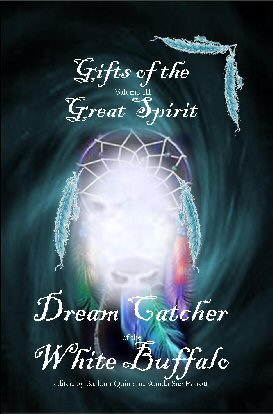
HOT OFF THE PRESS, AND BEAUTIFUL!!
 Choose carefully the pronouns you use and how you use them. Fracturing of pronoun usage over the past half century has created mixed-case vernacular. For example, the subjective plural pronoun “they” is used to mean the singular person “he” or “she” while the objective plural pronoun “them” is widely used in place of the singular “him” or “her.” Pronouns that do not agree with their antecedents (plural mixed with singular) is a grave mistake writers make today, and judges can be harsh. . . . Most serious poetry judges still prefer the King’s English over street talk when judging poetry. “He and I went” is correct. “Me and him went” will lose. So will ”it is their book” (meaning one individual owns it). . . . Mind your grammar and neuter-gender pronouns “they” and “them” which began appearing around 1965 and are destined to, unfortunately, become standard everyday English in the near future. Except poetically!
(For a shortcut to proper use of pronouns, read the book.)
Choose carefully the pronouns you use and how you use them. Fracturing of pronoun usage over the past half century has created mixed-case vernacular. For example, the subjective plural pronoun “they” is used to mean the singular person “he” or “she” while the objective plural pronoun “them” is widely used in place of the singular “him” or “her.” Pronouns that do not agree with their antecedents (plural mixed with singular) is a grave mistake writers make today, and judges can be harsh. . . . Most serious poetry judges still prefer the King’s English over street talk when judging poetry. “He and I went” is correct. “Me and him went” will lose. So will ”it is their book” (meaning one individual owns it). . . . Mind your grammar and neuter-gender pronouns “they” and “them” which began appearing around 1965 and are destined to, unfortunately, become standard everyday English in the near future. Except poetically!
(For a shortcut to proper use of pronouns, read the book.)